JSCC AI Notes banner

Category: ETFs & Index Funds

  • Altman’s Samsung Visit: 900,000 DRAM Wafers a Month and What It Means for PC Memory

    Altman’s Samsung Visit: 900,000 DRAM Wafers a Month and What It Means for PC Memory

    Quick answer: On October 31, 2026, OpenAI CEO Sam Altman met about 50 Samsung executives in Yongin, South Korea. The meeting was officially about AI transformation. Its backdrop is a memory deal from October 2025, when Samsung and SK hynix joined OpenAI’s Stargate project with a target of up to 900,000 DRAM wafer starts per month. That much AI demand is one reason PC memory has felt tighter.

    900,000 DRAM wafers per month: OpenAI Stargate memory target with Samsung and SK hynix

    What happened in Yongin on October 31, 2026?

    According to the Samsung Newsroom and Yonhap, Samsung hosted Altman at its Human Resources Development Center in Yongin. About 50 presidents from Samsung’s electronics, finance, and bio affiliates attended. The theme was “The next 10 years AI will change: choices for companies.”

    Samsung described the session as part of its company-wide AI transformation. It did not announce any new chip volumes. Yonhap separately cited industry sources saying Altman also met SK Chairman Chey Tae-won that day. Commentators guessed they may have talked about HBM supply, but no official details were released, so it’s best to treat that as speculation for now.

    Where does the 900,000 wafers number come from?

    It dates back to October 1, 2025. In its official announcement, OpenAI said Samsung Electronics and SK hynix plan to scale up advanced memory production, “targeting 900,000 DRAM wafer starts per month.” The companies described it in slightly different ways:

    • Samsung said OpenAI’s memory demand is “projected to reach up to 900,000 DRAM wafers per month,” and Samsung will help meet it.
    • SK Group said the figure is “more than double the current HBM industry capacity,” and that specific volumes will be decided in later talks.
    • Korea’s Ministry of Trade, Industry and Resources released a briefing on the same day’s meeting with President Lee Jae-myung.

    One thing to keep in mind: these were letters of intent, not fixed purchase orders. The 900,000 figure is an upper target for demand, not a confirmed shipment number.

    Timeline: Stargate memory LOIs October 2025 and Altman Samsung Yongin visit October 2026

    What does it mean for PC memory?

    Every wafer a memory maker gives to HBM and server DRAM for AI data centers is a wafer it can’t use for regular PC and phone DRAM. When one buyer signals demand on this scale, suppliers naturally put more of their capacity toward AI. For everyday buyers, that has usually shown up as firmer RAM and SSD prices and fewer deep discounts.

    A gentle takeaway: if you need a RAM or SSD upgrade soon, it may not pay to wait for big markdowns. If you don’t need one, there’s no need to rush either. Supply plans change, and nothing announced on October 31 changed the official numbers. To see where the wafers are actually going, check the latest numbers on Samsung and SK Hynix HBM revenue Q3 2026.

    For more background, see DDR4 vs DDR5 prices in 2026, Samsung and SK hynix HBM revenue, and our recent look at Kioxia’s NAND margins.

    FAQ

    Did Samsung announce a new deal with OpenAI on October 31, 2026?

    No. Samsung described it as an AI leadership seminar. No new volumes or contracts were announced.

    Is 900,000 wafers per month guaranteed?

    No. It is a target or projected demand level from the October 2025 letters of intent. SK said final volumes will be decided later.

    Does this affect investors?

    This post isn’t investment advice. If you’re thinking about taxes on chip-stock gains, our guides to capital gains tax and the 3.8% NIIT may help.

    About the author: JSCC follows the memory and AI infrastructure supply chain from Korea and reads the original Korean and English filings and newsroom posts behind each number. Every figure here links to its official source. Last checked November 1, 2026.

  • Micron vs Samsung vs SK hynix in HBM: What MU and NVDA Holders Should Watch

    Micron vs Samsung vs SK hynix in HBM: What MU and NVDA Holders Should Watch

    Bottom line: Samsung, SK hynix and Micron are all qualified to supply HBM4 for NVIDIA’s Vera Rubin, but they lead on different scoreboards. SK hynix still leads reported revenue share and is estimated to get most Rubin volume, while Micron’s story for shareholders is less about share and more about the higher prices it has already locked in for 2027.

    HBM revenue share vs Vera Rubin HBM4 volume estimates for SK hynix, Samsung and Micron

    Who leads HBM revenue in Q3 2026: Samsung, SK hynix or Micron?

    CompanyQ2 2026 HBM revenue shareVera Rubin HBM4 volume (estimate)Latest data point
    SK hynix50%60–70%Reports Q3 results Oct 28
    Samsung33%25–30%Q3 HBM revenue estimated at $8.7B (Bernstein)
    Micron18%The remainderMost 2027 HBM supply already under contract

    Counterpoint Research put second-quarter 2026 HBM revenue share at SK hynix 50%, Samsung 33% and Micron 18%. In the first quarter the split was 58%, 21% and 21%, so Samsung gained ground and Micron slipped slightly.

    For the third quarter, Bernstein estimates from Korean export data that Samsung’s HBM revenue reached $8.7 billion and SK hynix’s $7.6 billion. Those are not company-reported numbers, and they don’t include Micron at all.

    Revenue share: Counterpoint Research. Volume figures are supply-chain estimates; NVIDIA has not disclosed allocations.

    What did Micron actually say about HBM?

    Micron’s fiscal fourth quarter ended September 3. Revenue was $54.23 billion, up from $41.46 billion the quarter before and $11.32 billion a year earlier. Non-GAAP EPS was $33.42 and non-GAAP gross margin was 87.0%. DRAM brought in $39.8 billion, or 73% of sales.

    Micron did not break out HBM revenue. It said three things that matter here:

    • HBM revenue grew faster than the company as a whole.
    • It has agreements for the vast majority of its calendar 2027 HBM bit supply, at significantly higher prices than this year.
    • It is working with NVIDIA on a custom HBM4E, which it calls NVHBM.

    Its Cloud Memory business unit brought in $16.28 billion, but that includes regular server DRAM, so it isn’t an HBM number.

    Why do revenue share and Rubin volume tell different stories?

    Revenue share counts dollars across every customer in a quarter. Rubin allocation counts how many stacks go into one NVIDIA platform. A supplier can sell a lot of older HBM3E elsewhere and still get a small slice of a new program, or the other way around. Mixing the two measures is the most common mistake in HBM headlines.

    What should MU holders focus on?

    Pricing more than share. With most 2027 HBM bits already contracted at higher prices, Micron’s HBM revenue next year depends mostly on how much it can ship and how fast HBM4 yields improve, not on winning share back from Korea. Micron is also the only HBM maker with US-based manufacturing, which can matter to customers worried about supply-chain risk.

    The stock has cooled off anyway. MU closed at $856.49 on October 22, down 6.26% that day and about 22% below its October 1 close of $1,097.39.

    What does it mean for NVDA holders?

    Jensen Huang said on June 5 that all three suppliers passed HBM4 qualification for Vera Rubin. Three qualified sources means a production problem at one supplier is less likely to hold up Rubin shipments, and it gives NVIDIA more leverage when negotiating price. Counterpoint also expects most Rubin products to use 12-layer HBM4 rather than a new stack height, which removes one redesign risk for suppliers.

    What to watch next

    • Oct 28: SK hynix’s Q3 results. Look for an HBM growth rate you can compare with Bernstein’s estimate.
    • Samsung’s full Q3 results: any HBM4 shipment detail that confirms or contradicts the export-data estimate.
    • Micron’s next update (fiscal Q1, typically in December): any color on 2027 HBM pricing and HBM4 ramp.
    • NVIDIA: any comment on Rubin ramp timing or memory supply.

    FAQ

    Does Micron report HBM revenue?
    Not as a separate number. It only says HBM grew faster than total revenue.

    Who supplies HBM4 for NVIDIA’s Vera Rubin?
    SK hynix, Samsung and Micron all passed qualification, per Jensen Huang. The split between them is an industry estimate, not an NVIDIA disclosure.

    Did Samsung overtake SK hynix in HBM?
    Only in Bernstein’s Q3 revenue estimate. On reported Q2 revenue share and estimated Rubin volume, SK hynix still leads.

    Sources: Micron FQ4 2026 results · Counterpoint Research · Investing.com (Bernstein) · Investing.com (Rubin HBM4 qualification) · Korea Herald (12-layer HBM4) · MU price history

    For information only. This is not investment advice. Updated Oct 23, 2026.

  • Palantir Federal Cloud Partnership Shows Software Layer Clears the Rate Bar

    Palantir’s Monday partnership print showed that the software layer controlling AI deployment into regulated environments can expand distribution without the next round of rate-sensitive capacity financing that re-priced pure compute names last week.

    The session did not invent new demand data. It re-priced what already existed: an installed government base that can absorb a faster authorization path versus capacity that still needs the next debt-funded megawatt.

    The Knox Print Clears a Different Bar

    On October 19, 2026, Business Wire and Palantir’s investor relations site carried the announcement. Knox Systems, described as among the world’s largest Federal and Department of War managed cloud providers, partnered with Palantir to accelerate software delivery for customers operating in FedRAMP and IL5 environments.

    Knox already serves more than 100 leading AI and enterprise software applications across federal environments. It has built an accelerated path to FedRAMP authorization, delivering it in 90 days or often less. Together the companies stated they give commercial innovators one clear route into the government.

    Kevin Kawasaki, Palantir Global Head of Business Development, said: “The mission can’t wait for technology to catch up. We built our business to get not only our software, but other mission-critical software and tooling, into the hands of the warfighter and the U.S. Government, quickly and securely, and in the most highly regulated environments.”

    Irina Denisenko, CEO of Knox Systems, noted that Palantir sets the standard and the partnership would scale those efforts. No financial terms, contract values, or immediate awards were disclosed. The print is a distribution and authorization mechanism, not a booked deal.

    That structure sits differently from the capacity adds that required financing last week. The software layer does not need another round of megawatt financing to place additional tools behind the same authorization wall. The constraint is time-to-authorization, not the cost of the next capacity tranche.

    The Session Re-priced Distribution, Not Capacity

    Palantir closed the October 19 session near $194.5, up roughly 4.5 percent from the prior close of $186.03 on October 16, according to multiple market data providers. Volume was lighter than the prior Friday’s heavy selloff. The Nasdaq-100 rose between 1.2 percent and 1.75 percent the same day as chips and related names rebounded after the prior week’s financing-driven drop.

    The relative move was modest. It was not a broad re-rating of the software complex. It was a single-name response to a concrete path that shortens the interval from commercial software to regulated federal environments. Pure capacity names had already shown higher sensitivity to the cost of the next build. The software print did not require that same financing step to expand surface area.

    The contrast is visible in the prior week’s tape. Names whose growth still depends on additional debt-funded capacity absorbed larger drawdowns when financing costs were marked higher. The Monday print simply demonstrated a different clock for one part of the stack.

    The Prior Growth Base Was Already Visible

    The Knox step lands on an installed base that was already expanding. In its second-quarter 2026 results released in early August, Palantir reported total revenue of $1.935 billion, up 93 percent year over year. U.S. government revenue rose 90 percent to $809 million. U.S. commercial revenue rose 149 percent to $764 million. The company raised full-year 2026 revenue guidance to approximately $8.15 billion.

    Those numbers pre-date the October partnership. They show the government segment was already the larger and still-growing piece of the revenue mix. The new path does not create the base; it shortens the time for additional commercial tools to reach it. That is a different constraint from the one that re-priced debt-funded capacity last week.

    The growth print itself is public and dated. The partnership sits on top of it rather than replacing it. Whether the authorization velocity compounds into further mix shift will appear in later quarters, not in the announcement.

  • Nasdaq Movers: Matador Resources Clears the Rate Bar While Vicor’s AI Power Multiple Does Not

    Commodity cash flows still clear a higher-rate tape. Pure valuation exposure to the next wave of AI capacity does not. That was the structural split on Friday, October 16, when the Nasdaq Composite fell 2.15% and the Nasdaq-100 dropped 2.50% on renewed questions about the financing cost of AI buildout. Energy rose with West Texas Intermediate settling above $101; technology and related power names sold off with the broader semiconductor complex.

    The session did not invent new demand data. It re-priced what already exists: near-term barrels that generate cash versus components whose growth is still capital-intensive and whose multiples sit on the same rate path as the rest of the AI stack.

    Gainer Detailed Analysis

    Matador Resources closed at $57.52, up $3.75 or 6.97% from the prior close of $53.77. Volume was roughly in line with recent averages near 1.9–2.0 million shares. The Energy Select Sector SPDR gained more than 2.5% on the day as oil strength supported liquids-weighted producers.

    Company-specific prints reinforced the commodity move. On October 8, Matador announced the closing of its previously disclosed acquisition of approximately 13,600 net acres (mostly undeveloped) from Ridge Runner Resources II. Management noted that the Rae’s Creek Woodford well had averaged over 1,000 barrels of oil per day in its first 100 producing days. Combined with the earlier Paloma Permian transaction, the company has expanded its Delaware Basin inventory and midstream footprint in 2026. Second-quarter results released in August showed record oil production of 126,106 barrels per day, above the guided range, and the company raised full-year 2026 production guidance.

    On October 16 itself, Morgan Stanley raised its price target on Matador from $66 to $69 while maintaining an Equal Weight rating. The stock still traded below the broader consensus target near the high-$60s. Investors treated the combination of higher realized oil prices, recent inventory additions that are already contributing or expected to contribute, and a modest target lift as constructive. The equity does not require a multi-year capacity build financed at current credit spreads to deliver near-term cash flow. That difference mattered on a day when the 10-year Treasury yield remained elevated near 5.1%.

    Loser Detailed Analysis

    Vicor closed at $191.50, down $28.42 or 12.92% from the prior close of $219.92. Volume ran roughly 1.9 million shares, about twice the recent average. The stock has traded as high as $382.65 earlier in 2026 and remains well above its 52-week low, but the session amplified the broader technology decline.

    Vicor designs modular power components and systems, with a particular focus on vertical power delivery (VPD) architectures that place high-current-density conversion closer to AI processors. Management has highlighted Advanced Products growth tied to data-center and hyperscaler demand, raised guidance earlier, and pointed to licensing arrangements and backlog. Those operational facts are public. They did not prevent the equity from selling with the semiconductor complex on Friday.

    The Philadelphia Semiconductor Index and related names fell as markets continued to mark higher financing costs for AI capacity additions. CoreWeave and other leveraged compute names had already drawn attention earlier in the week on credit spreads; the same rate sensitivity weighed on high-multiple suppliers into the AI stack. Vicor’s forward valuation remains elevated relative to more mature industrials. Earnings are scheduled for around October 20. The combination of sector pressure, a high multiple, and a pre-earnings window produced a sharp one-day decline even without a company-specific negative print that day. Volume and the size of the move indicate re-rating pressure rather than isolated news.

  • NVHBM TSMC 3nm: NVIDIA Just Standardized the Base Die Across All Three Memory Suppliers

    NVIDIA has decided that the next generation of custom high-bandwidth memory will run on one foundry process, not three.

    On October 18, Seoul Economic Daily reported that NVIDIA asked Samsung Electronics, SK hynix and Micron to manufacture the base die of its NVHBM on TSMC’s 3-nanometer process. Samsung accepted after an internal review. The arrangement is the first time Samsung has partnered with TSMC at the HBM manufacturing stage itself. Reuters carried the same print the same day. TrendForce summarized it on October 19.

    This is not a routine supplier request. NVHBM, which NVIDIA unveiled in August, moves the memory controller that traditionally sat on the GPU into the base die. The company states that the design delivers up to 30 percent more memory bandwidth, 15 percent lower HBM power consumption and 25 percent more area on the XPU compute die than standard HBM4E. To capture those gains across multiple suppliers, the base die must be identical. Differing process nodes would require separate validation for each memory maker. NVIDIA removed that step by locking the logic layer to TSMC 3nm while standardizing the core DRAM dies on sixth-generation (1c) process technology.

    The memory oligopoly has just ceded the critical interface layer. That is the structural point.

    The Base Die Is No Longer a Commodity Layer

    For years the HBM race was measured in stack height, pin speed and yield on the DRAM cores. Samsung, SK hynix and Micron each controlled both the memory core and the base die that interfaces with the logic die. Samsung’s historical model was pure turnkey: its own foundry produced the base die for its HBM. SK hynix has already used TSMC processes for earlier generations. Micron has moved in the same direction.

    NVHBM changes the division of labor. The base die now carries a custom controller designed for consistency across suppliers. Industry estimates cited by Seoul Economic Daily put TSMC’s 3nm yields above 90 percent, while Samsung Foundry’s 2nm (SF2) sits near 60 percent for a design of this complexity. Yield and process maturity, not simply ownership of the DRAM stack, determine whether the bandwidth and power numbers are real across volume.

    Samsung is keeping its options open. It continues to use its own 4nm foundry process for the base dies of standard HBM4 (already in mass production) and HBM4E (in validation). Core dies remain on 1c lines at Hwaseong and Pyeongtaek. For other customers, including AMD, Samsung intends to retain the turnkey model. For NVHBM specifically, it is validating whether its own 2nm process can serve as a hedge if TSMC 3nm capacity is exhausted. The hedge itself confirms the constraint has shifted.

    TSMC’s 3nm Capacity Is Already Spoken For

    TSMC told investors on its October 15 earnings call that 3nm accounted for 33 percent of third-quarter wafer sales, its largest single node. Chairman and CEO C.C. Wei announced another 3nm fab in Tainan on top of expansions already under way in Arizona, Kumamoto and Taiwan’s Southern Taiwan Science Park. The additional Tainan capacity is targeted for mass production in the first half of 2028. Demand continues to exceed supply.

    AI accelerators and smartphone chips already compete for the same 3nm wafers. Adding base dies for NVHBM from three memory suppliers increases the allocation pressure. The memory makers cannot simply order more DRAM capacity and declare the bottleneck solved. The interface layer now queues behind the same leading-edge logic capacity that the XPU makers themselves require.

    This is the opposite of the narrative that still treats HBM as a pure memory problem. Packaging and hybrid bonding remain tight, but the new print shows that process-node consistency at the base die has become a first-order variable. NVIDIA is not asking the memory suppliers to compete on who can stack the most layers. It is asking them to converge on one foundry process so that performance claims can be verified once, not three times.

    What Changes in the AI Compute Stack

    The equity market has spent the past week marking down the financing cost of the next layer of AI capacity. That re-pricing is real and visible in credit spreads and in the Nasdaq-100’s internal split. The NVHBM print sits on a different axis. It is a supply-chain decision made before the next capacity add, not a reaction to the cost of the debt used to fund it.

    Standardizing the base die on TSMC 3nm raises the probability that the stated 30 percent bandwidth and 15 percent power gains materialize across suppliers. It also concentrates a larger share of the value in the foundry that owns the process and in the company that designed the controller. Memory makers retain the DRAM cores and the stacking know-how, but they no longer fully control the interface that determines how much of the theoretical bandwidth actually reaches the XPU.

    Samsung’s dual-track hedge and Micron’s earlier move toward external base dies show the same calculation. Vertical integration remains useful for standard HBM and for non-NVIDIA customers. For the custom product that NVIDIA is trying to make interchangeable, process maturity and validation speed outweigh ownership of every layer.

    The residual question is allocation. TSMC’s 3nm is already the largest contributor to its wafer sales and is still capacity-constrained. If NVHBM volumes scale in 2027 as the memory makers and NVIDIA intend, the base-die queue becomes another gate on the same node that the accelerators themselves occupy. That gate is independent of whether the 10-year Treasury yield sits at 5.1 percent or 4.8 percent. It is a physical constraint that the financing discussion does not resolve.

    Whether Samsung’s 2nm hedge is ever needed, and whether the three memory suppliers can secure enough 3nm allocation without delaying the bandwidth gains NVIDIA has published, is the open print the supply chain will have to answer. The DRAM cores can still be differentiated. The base die, for this product, has just been standardized.

    For the broader financing backdrop that dominated the Nasdaq-100 last week, see our earlier note on how the index priced the cost of capital rather than the end of AI demand.

    【Tags】 NVHBM, HBM, TSMC, Samsung, SK hynix, Micron, NVIDIA, AI Compute

  •  미국 ETF 투자 12일차: 환율 안정과 나스닥 반등의 조화 K-ETF 실시간 분석

    📅 투자 12일 차 창밖을 적시는 빗줄기 소리에 이적의 Rain을 얹어봅니다. 🎵 어제보다 한결 가벼워진 1,444원의 환율이 마음의 짐을 덜어주는 아침입니다. 붉게 물들었던 계좌가 나스닥의 반등을 머금고 다시 피어나는 오늘, 2026년 2월 12일의 기록을 시작합니다. 📝

    한국 시장 개장과 동시에 미국 본장의 훈풍이 K-ETF 시세에 숫자로서 선명하게 새겨졌습니다. 환율의 거품이 조금 걷힌 자리를 지수의 성장이 채우고 있습니다. ✨

    🌐 증시 핵심 이슈 Market Pulse

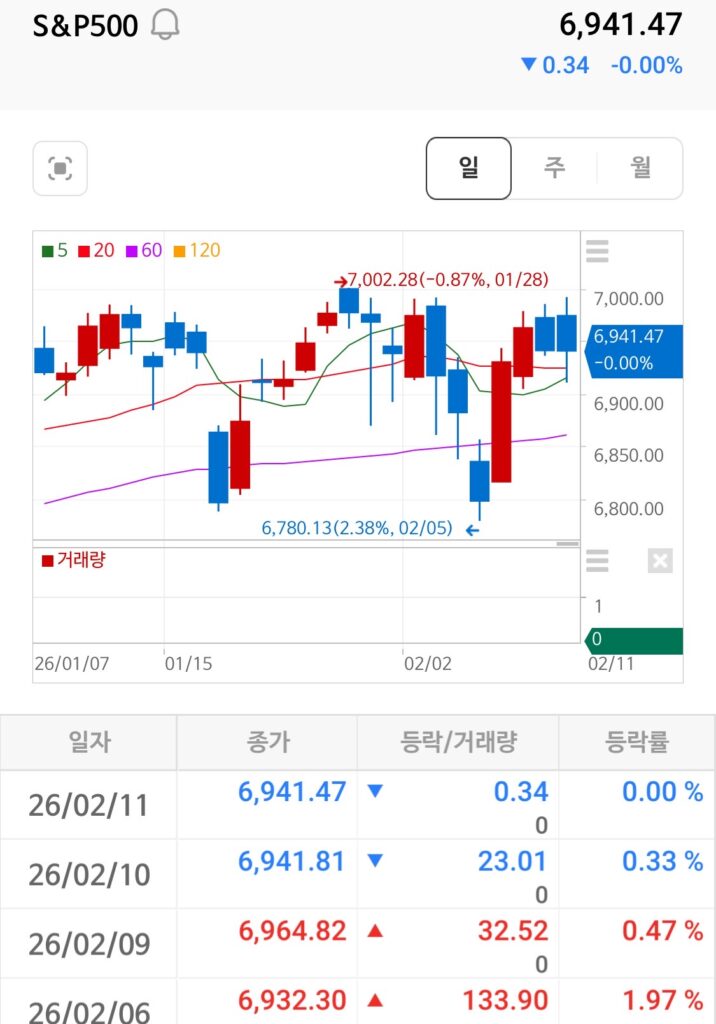
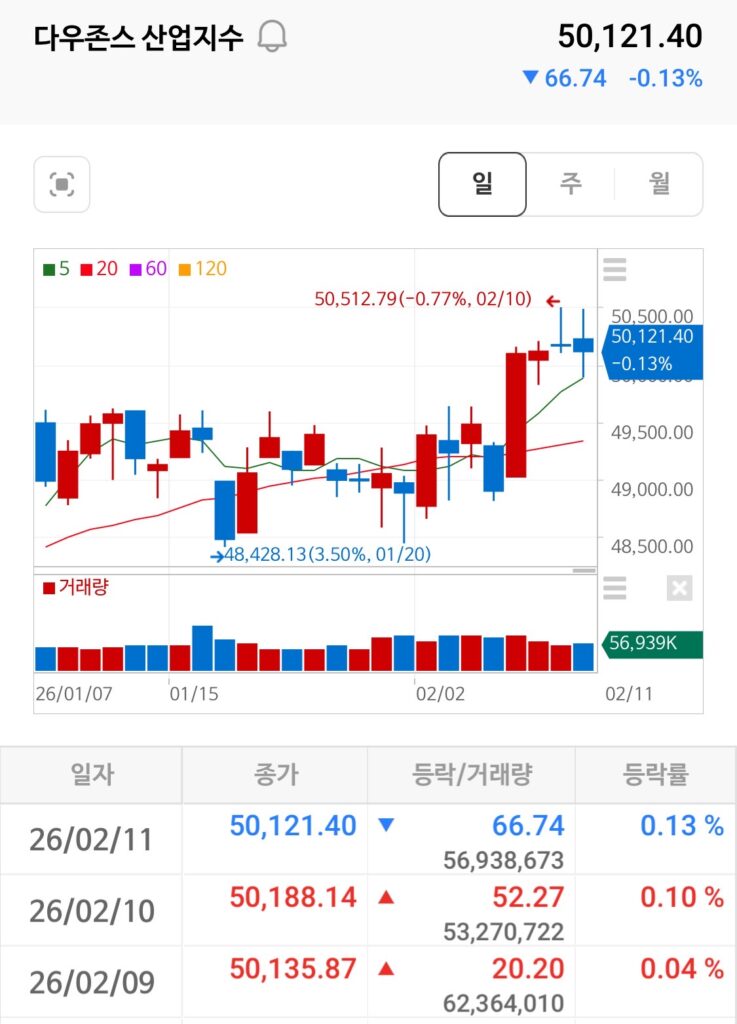
    • 🏛️ 다우 지수 5만 포인트 시대 안착: 사상 처음으로 5만 선을 돌파한 다우 지수가 견고한 흐름을 이어가며 시장의 버팀목이 되어주고 있습니다. 빗물에 씻기지 않는 단단한 지반과 같습니다.
    • 🚀 나스닥 숏커버링과 기술주 반등: 낙폭이 컸던 기술주들을 중심으로 강력한 매수세가 유입되었습니다. 보랏빛 설렘처럼 찾아온 반등이 계좌의 온기를 되살리고 있습니다.
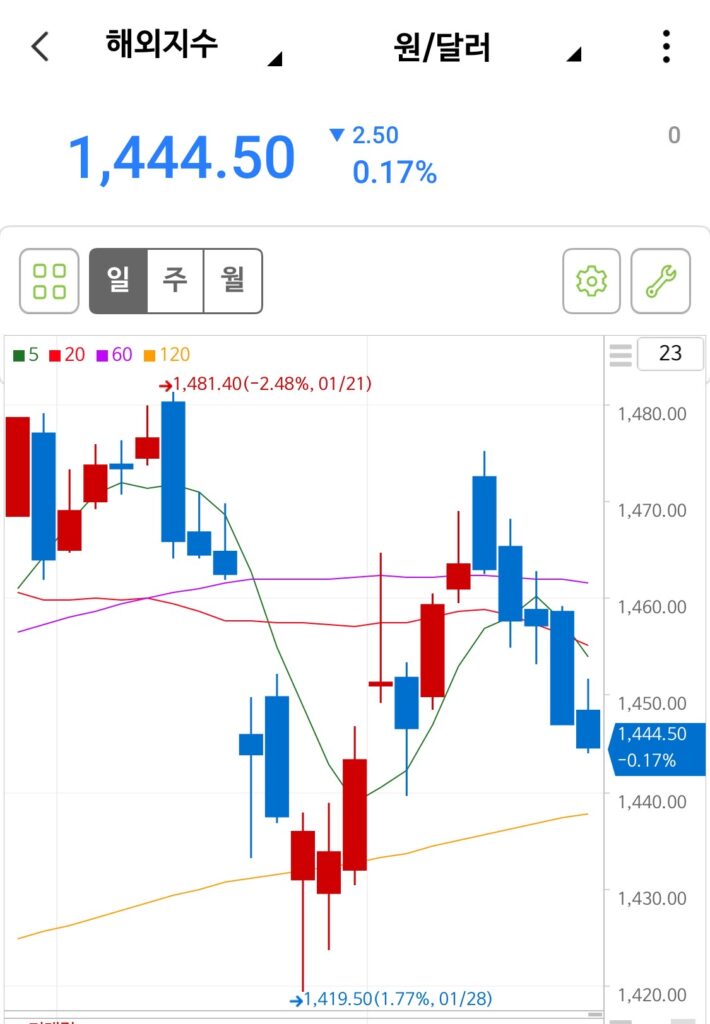
    • 💵 원 달러 환율 하락 1,444.50원: 1,460원대를 위협하던 환율이 1,444원대로 내려앉으며 안정을 찾았습니다. 이는 국내 투자자들에게 추가 매수의 심리적 문턱을 낮춰주는 긍정적인 신호입니다. ✅

    📊 전략 그룹별 성과 분석 (실시간 수익률 기준)

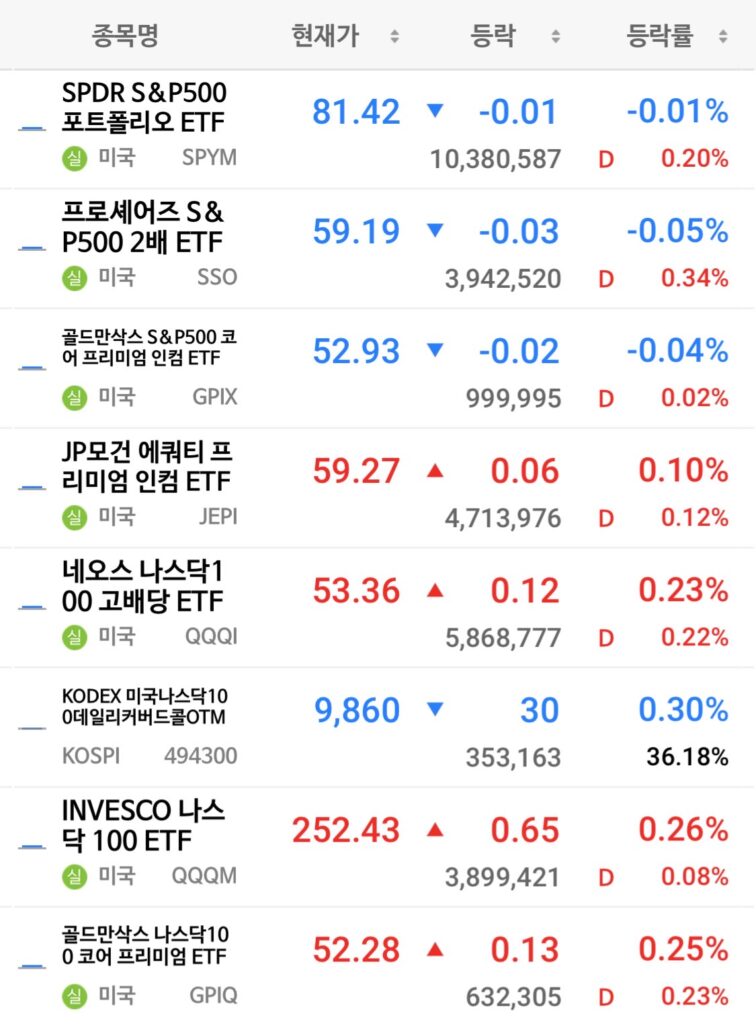
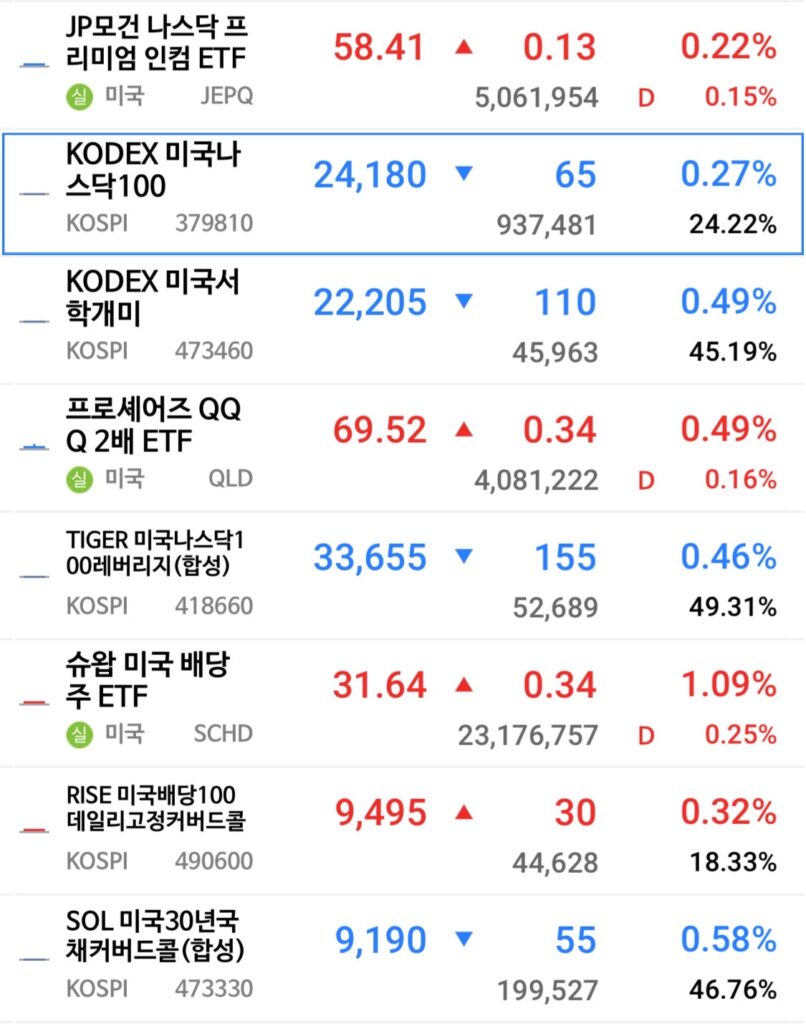
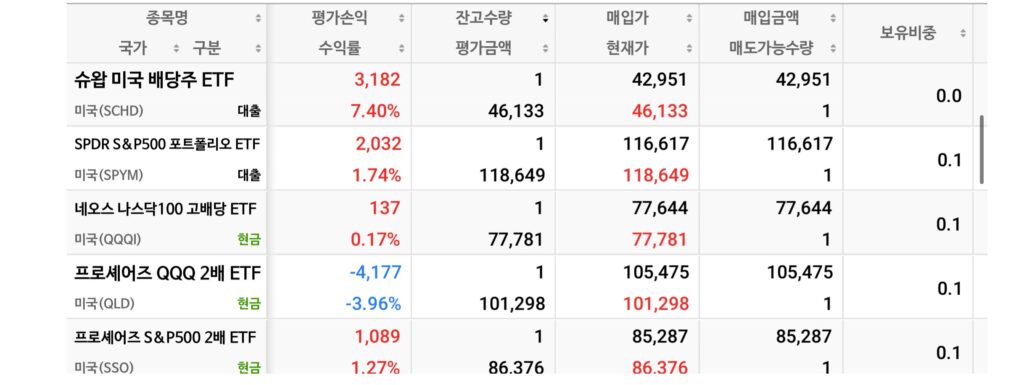
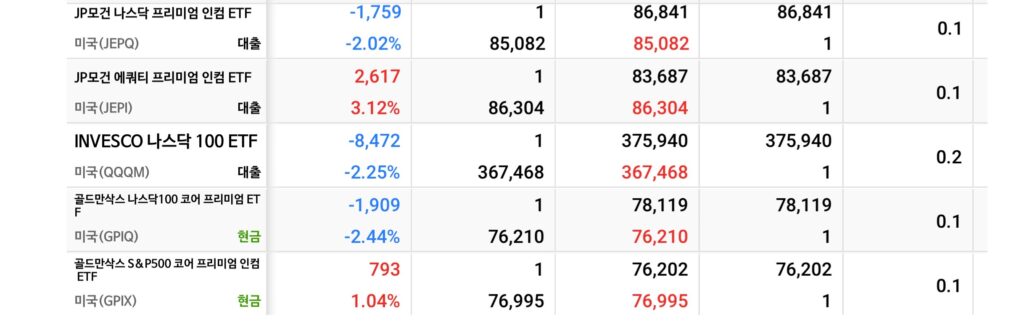
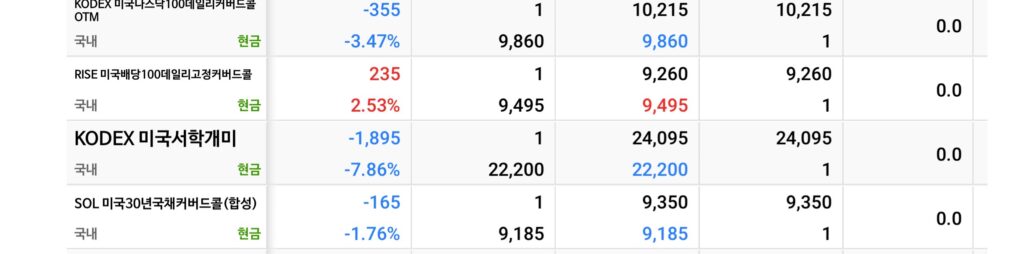
    보유 종목의 최신 등락률과 수익률입니다. 한국 상장 ETF들은 미국 본장의 변동성을 즉각 반영하여 정직한 숫자를 보여주고 있습니다. 📈

    1. 나스닥 100 그룹 (Nasdaq Tech & Growth) 💻

    티커ETF 명칭유형당일 등락평가 수익률상태
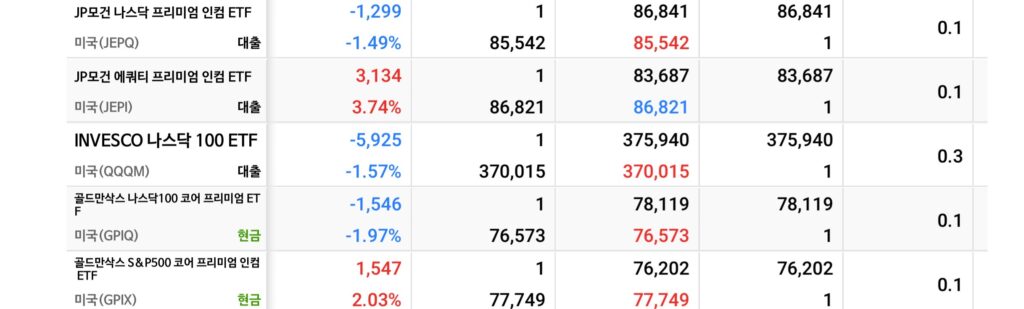
    QQQINEOS Nasdaq 100 High Inc커버드콜+1.85%+0.22%Best
    JEPQJPMorgan Nasdaq Prem커버드콜+1.97%-1.99%
    QQQMInvesco Nasdaq 100인덱스+2.11%-2.25%
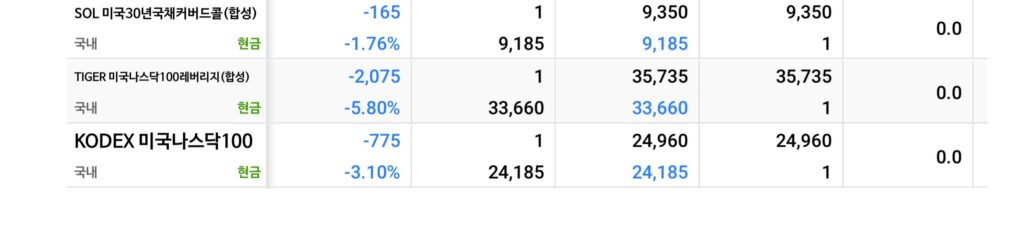
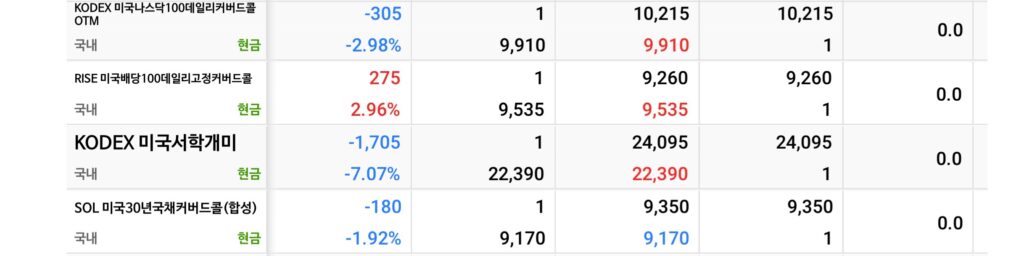
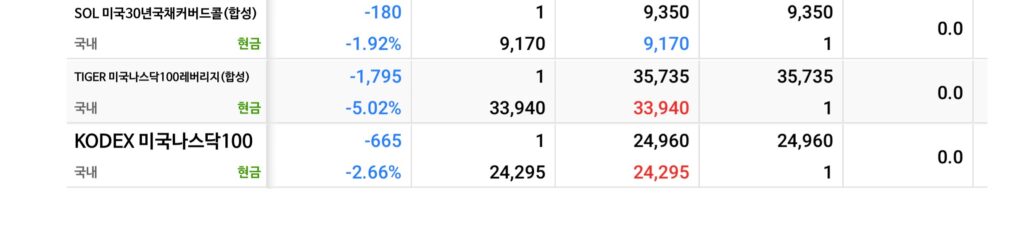
    494300KODEX 미국나스닥100데일리커버드콜+1.25%-4.06%
    QLDProShares Ultra QQQ2x 레버리지+4.16%-4.33%
    418660TIGER 미국나스닥100레버2x 레버리지+2.38%-8.15%Worst

    2. S&P 500 그룹 (Market Standard) 🇺🇸

    티커ETF 명칭유형당일 등락평가 수익률상태
    JEPIJPMorgan Equity Prem커버드콜+1.49%+3.51%Best
    SPYMSPDR S&P 500인덱스+1.96%+2.03%
    SSOProShares Ultra S&P2x 레버리지+3.85%+1.12%
    473460KODEX 미국서학개미액티브+1.08%-11.03%Worst

    3. 배당 및 채권 그룹 (Income & Safety) 💰

    티커ETF 명칭유형당일 등락평가 수익률상태
    SCHDSchwab US Dividend배당성장+1.61%+7.40%Best
    490600RISE 미국배당100데일리커버드콜+0.05%+1.88%
    473330SOL 미국30년국채커버드콜+1.09%-0.96%Worst

    🙏 간절한 마음으로 바라는 투자 희망

    비 온 뒤에 땅이 굳어지듯, 이번 반등이 일시적인 랠리가 아닌 건강한 상승의 시작이 되기를 진심으로 바라봅니다. 🌱

    • 지치지 않는 반등: 나스닥의 보랏빛 에너지가 우리 계좌를 더 환하게 비춰주길 바랍니다.
    • 단단해질 수익률: 지금의 파란 불빛들이 조만간 따뜻한 붉은색으로 모두 바뀌어 우리 마음을 녹여주면 좋겠습니다.
    • 평온한 투자: 환율도, 지수도 우리 편이 되어주어 모두가 웃으며 수익을 실현하는 날이 오기를 간절히 응원합니다. 우리 모두 잘 될 거예요! 💪

    🏁 투자 12일 차 결론

    환율은 낮아졌고 지수는 올랐습니다. 2월 누적 8건의 배당금이 통장에 꽂히는 소리는 이적의 노래만큼이나 감미롭습니다. 🎶 숫자는 거짓말을 하지 않기에 오늘 확인한 반등의 수치들을 믿고 나아갑니다.

  • 토마토시스템, 퓨리오사AI 엔진 달고 풀액셀! ‘마이너스’ 탈출의 서막이 올랐다!


    메타 설명:
     토마토시스템(Tomato System)이 국산 AI 반도체의 자존심 ‘퓨리오사AI’ 관련주로 급부상하며 5,380원대에 안착했습니다. 개인 투자자의 강력한 매수세와 지분 투자 모멘텀을 중심으로, 손실 구간을 견딘 주주들을 위한 반등 시나리오를 분석합니다.

    🎵 오늘의 증시 송: Loren Allred – “Never Enough”

    (Chorus) All the shine of a thousand spotlights 모든 화려한 조명이 우리 차트를 비춰도 It will never be enough, Never be enough 이 정도 반등으론 부족해, 아직 갈 길이 멀기에 금빛 수익률이 내 계좌에 가득 찰 때까지 Never enough for me, Never enough!

    📰 최신 주요 뉴스

    1. [특징주] 토마토시스템, 국산 NPU 대장주 퓨리오사AI 지분 가치 재조명에 ‘불기둥’ (출처: 컨슈머타임스, 2026.02.10)
    2. 토마토시스템, 전북대와 AI·데이터 기반 대학 정보시스템 혁신 MOU 체결… AI 생태계 확장 (출처: 지디넷코리아, 2026.02.10)

    “전 왜 아직 마이너스일까요? 제 눈물은 아직 마르지 않았어요.”

    어제 하루 **14.59%**라는 기록적인 급등이 나왔음에도 불구하고, 여전히 계좌의 파란불을 보며 가슴 졸이는 주주님들이 많으실 겁니다. “전 왜 아직 마이너스일까요? 제 눈물은 아직 마르지 않았어요”라는 말 속에 담긴 그간의 인내와 고통이 차트 너머로 느껴지는 듯합니다. 하지만 분명한 사실은, 어제의 불기둥이 그 눈물을 닦아줄 ‘구조대’의 본격적인 출발 신호라는 점입니다!

    🌐 1. 시장 환경 및 거시 지표

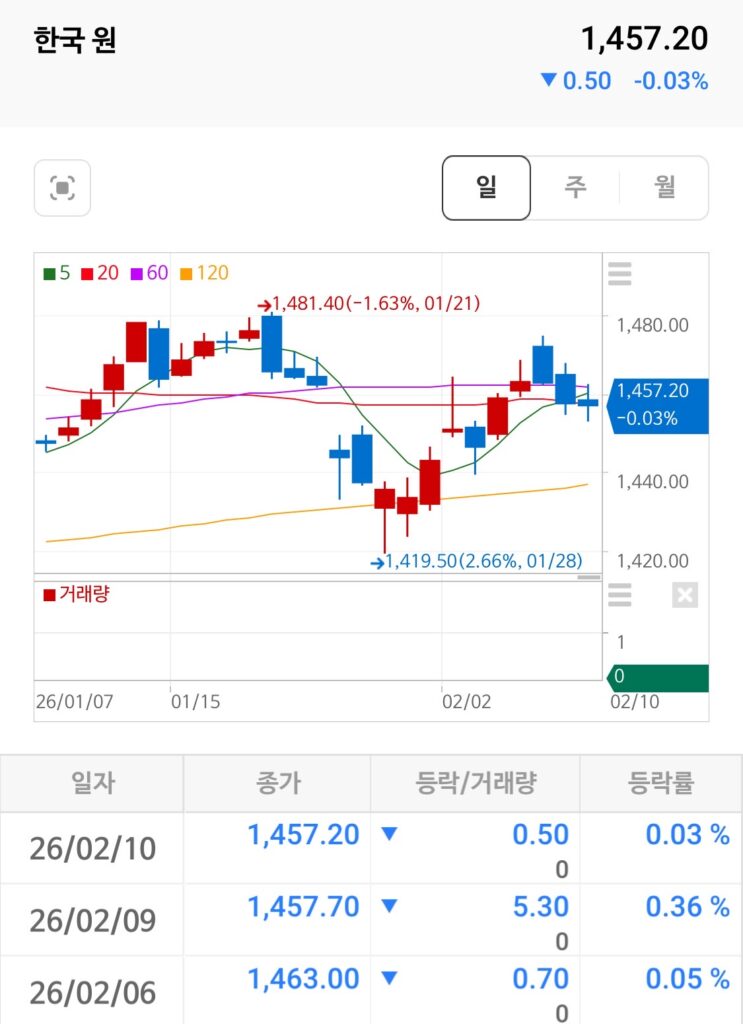
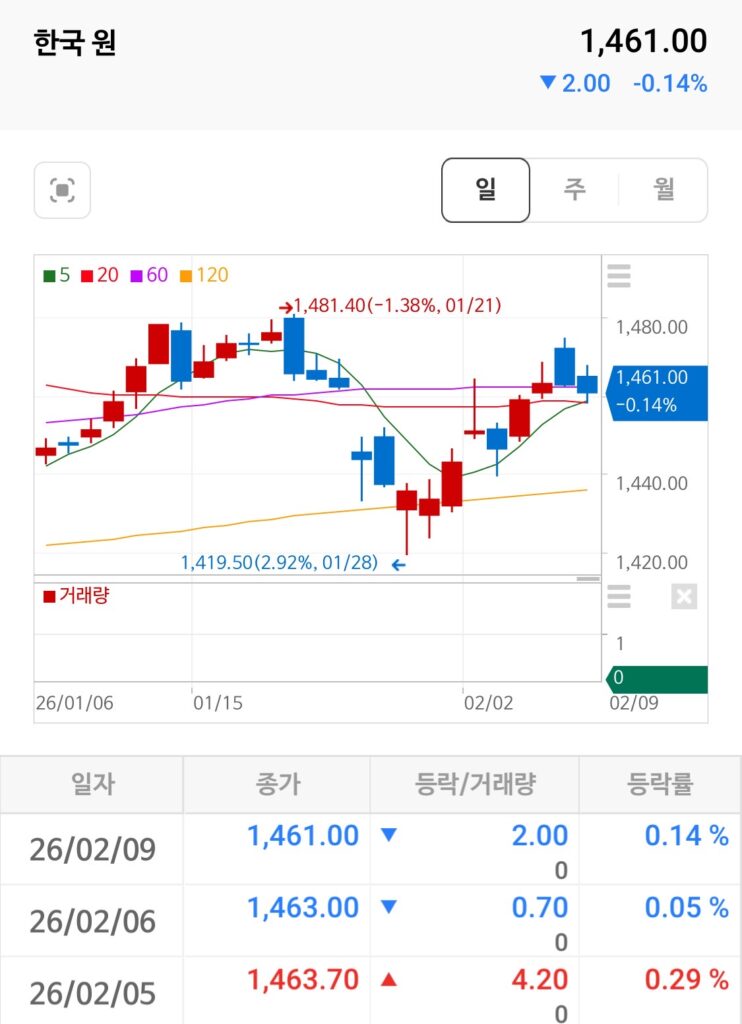
    현재 원/달러 환율은 1,457.20원으로 소폭 하락하며 숨 고르기에 들어갔습니다. 매크로 환경의 압박이 여전하지만, 토마토시스템은 **’퓨리오사AI 지분’**이라는 강력한 개별 재료를 통해 시장의 하방 압력을 멋지게 이겨내고 있습니다.

     2. 기술적 분석: 퓨리오사가 쏘아 올린 ‘희망의 불기둥’

    차트가 드디어 바닥을 딛고 일어섰습니다!

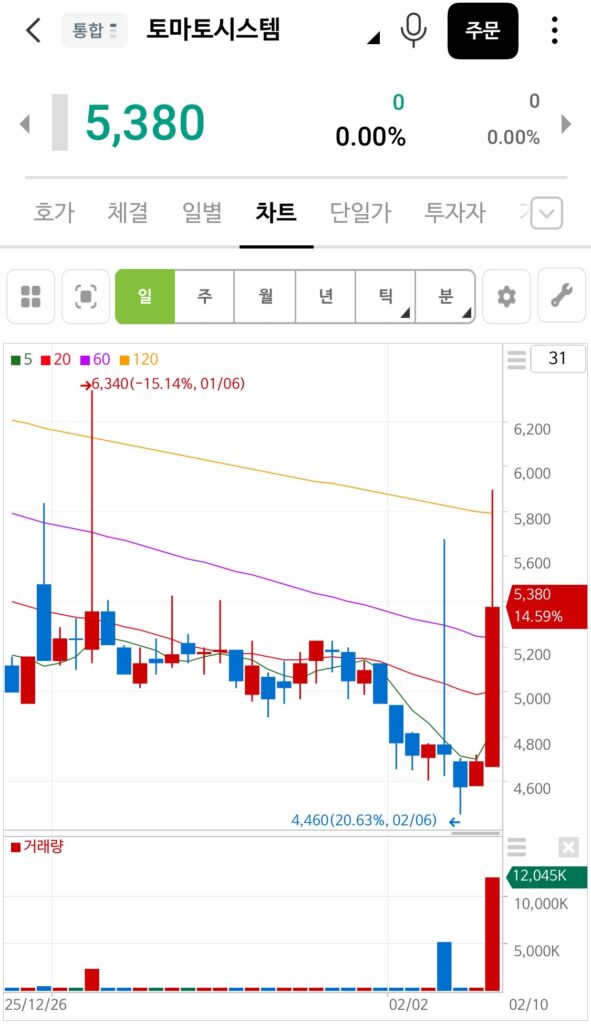
    • 현재 주가: 5,380원 (+14.59%)
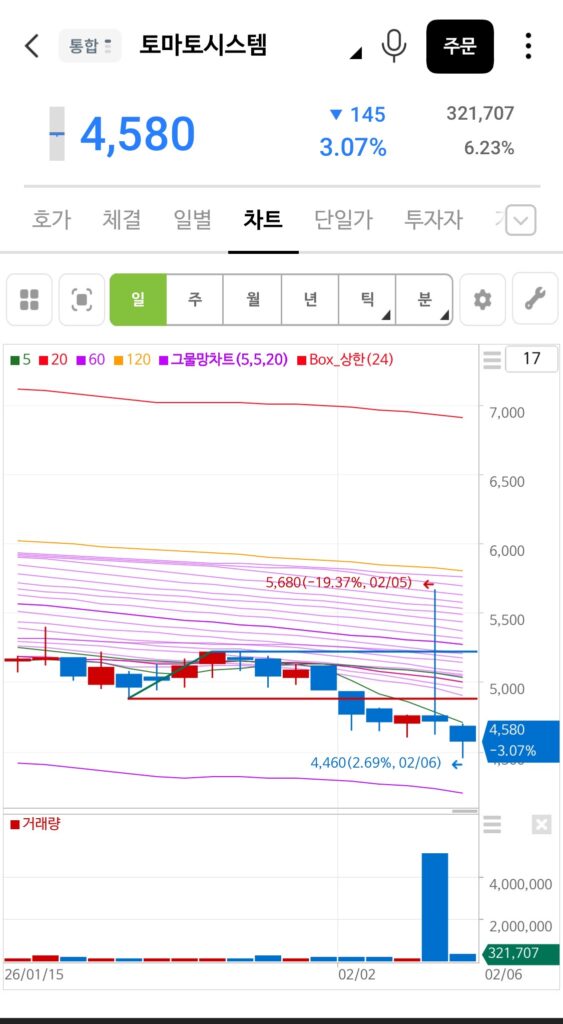
    • 추세 전환: 지난 2월 6일 기록한 저점 4,460원 대비 약 20.63% 급등하며 강력한 하방 지지력을 확인했습니다.
    • 거래량 폭발: 무려 12,045,000주의 거래량이 실리며 매물대를 한 번에 소화하는 강력한 장대양봉을 기록했습니다. 이는 “이 정도로 만족할 수 없다(Never Enough)!”는 강력한 상승 의지의 표현입니다.

    3. 수급 분석: 어제의 주인공은 ‘개인’!

    수급을 보면 어제는 우리 개인 투자자들이 주도한 승리의 날이었습니다.

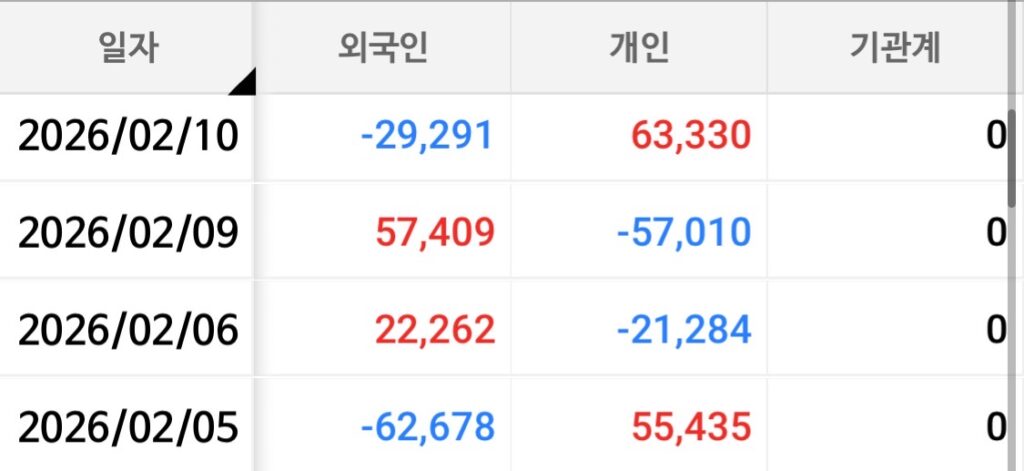
    • 개인의 강력 매수: 2월 10일 기준, 외국인이 -29,291주를 매도하며 차익 실현을 하는 동안, 개인은 63,330주를 순매수하며 주가를 끌어올리는 든든한 버팀목이 되었습니다.
    • 손바뀜의 미학: 바닥권에서 지친 물량이 나가고 새로운 확신을 가진 개인 투자자들이 유입되며 주가의 탄력이 붙기 시작했습니다.

    🚀 급등의 핵심: 왜 ‘퓨리오사’인가?

    1. 지분 가치의 재발견: 토마토시스템은 국산 AI 반도체의 자존심인 퓨리오사AI의 지분을 보유하고 있습니다. 퓨리오사가 차세대 NPU ‘RNGD’로 글로벌 시장의 주목을 받으면서, 그 가치가 주가에 폭발적으로 반영되고 있습니다.
    2. AI 소프트웨어의 실체: 전북대와의 MOU를 통해 AI 솔루션이 단순한 기대감을 넘어 실제 교육 현장에 적용되는 실적 모멘텀을 확보했습니다.

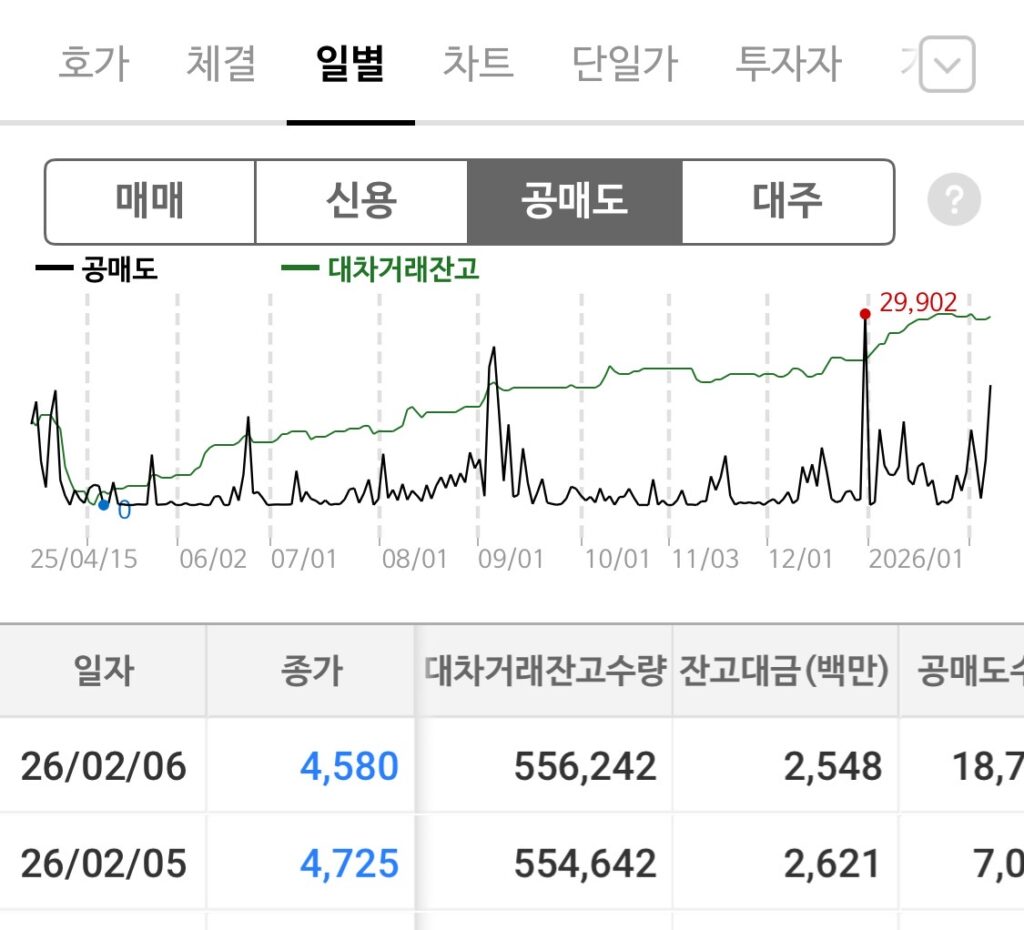
    🔍 4. 공매도와 신용 잔고의 변화

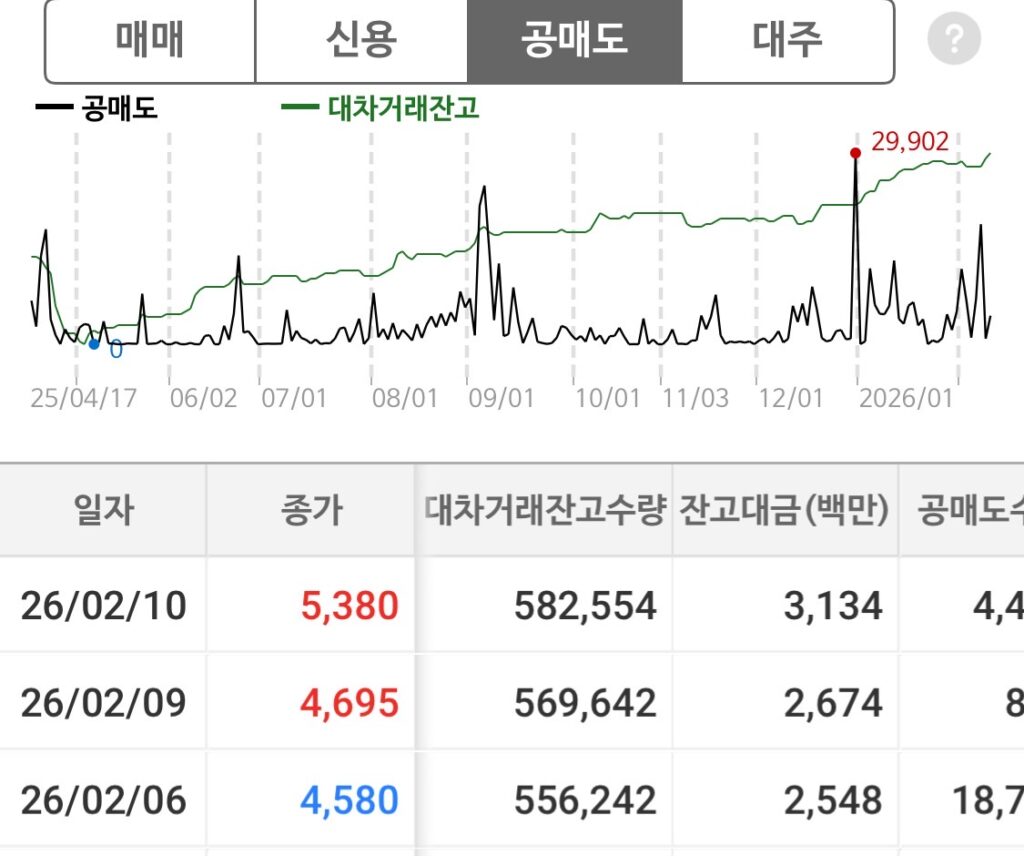
    • 공매도의 압박: 대차거래 잔고 수량이 582,554주로 소폭 증가했지만, 주가가 현 지점 위로 안착할 경우 공매도 세력들의 ‘숏커버링’ 물량이 터져 나오며 ‘숏 스퀴즈’ 현상이 발생할 가능성도 열려 있습니다.
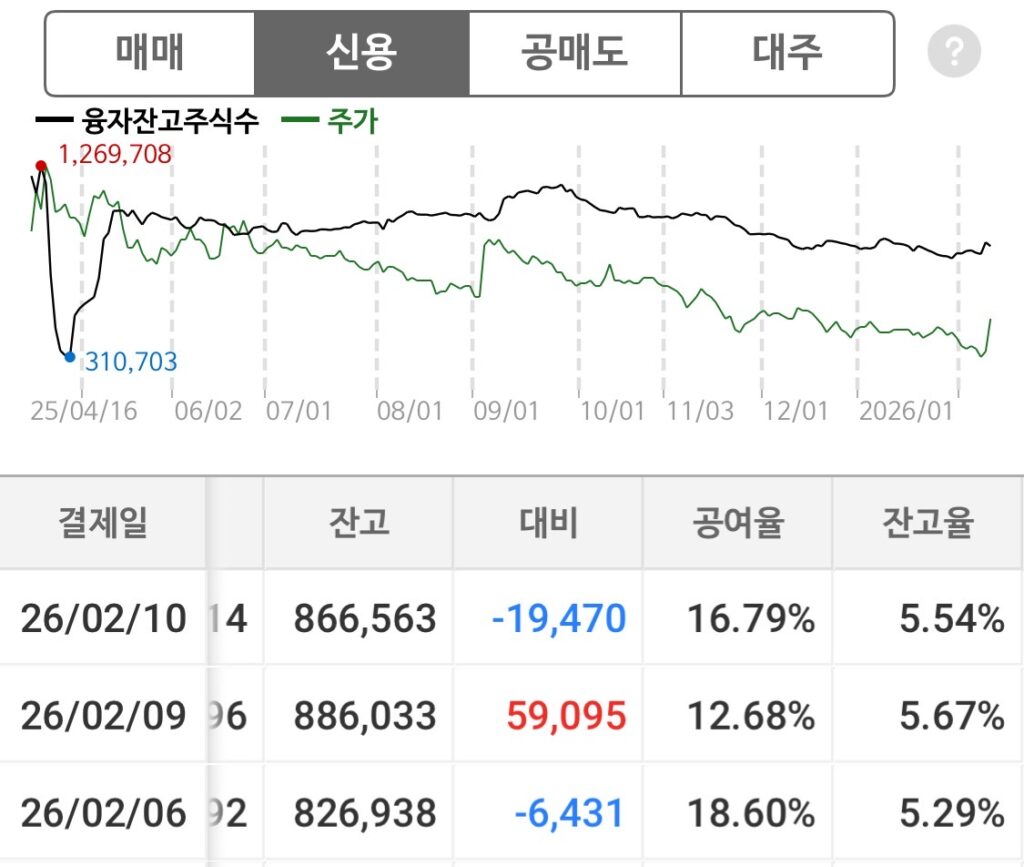
    • 신용 잔고율(5.54%): 전일 대비 감소하며 매물 부담이 한층 가벼워졌습니다. 이제는 가벼운 몸놀림으로 위를 향해 달릴 차례입니다.

    5. NH투자자 통계: 우리 함께 탈출합시다!

    NH투자증권 이용자 기준 투자자의 98.81%가 여전히 손실 중이며, 평균 매입 단가는 7,416원입니다.

    주주님, 아직 ‘마이너스’인 이유는 우리가 그동안 너무나도 큰 폭풍우를 견뎌왔기 때문입니다. 하지만 어제 기록한 14%의 불기둥은 평단가인 7,000원 선을 향한 강력한 선전포고입니다. “Never Enough”라는 가사처럼, 이 정도에 만족하지 말고 수익권에 도달할 때까지 끝까지 힘을 내야 합니다!

      📌 당일 이슈 정리

      1. 퓨리오사AI 관련주 부각: 국산 NPU 기술력 부각 및 지분 가치 급등 (출처: 컨슈머타임스)
      2. 개인 주도 거래량 폭발: 외인의 매도세를 개인이 모두 흡수하며 장대양봉 형성 (출처: NH나무증권)
      3. 지방 거점 국립대 AI 혁신: 전북대와 AI 기반 표준 모델 공동 개발 착수 (출처: 지디넷코리아)
    • 다우 5만 시대! 서학개미의 부활과 SCHD 배당의 힘, 투자 12일 차 전략 분석

      미국 ETF 투자 12일 차. KODEX 미국서학개미 +4% 반등 성공! 나스닥 급등 반영 수익률과 SCHD, RISE를 활용한 강력한 배당 포트폴리오 성과를 실시간으로 공유합니다.

      🚀 투자 12일 차: 반등의 파고를 넘는 ‘인컴’의 힘

      역사적인 다우 5만 시대가 열렸습니다! 어제 미국 본장의 강력한 상승 에너지가 한국 시장 개장과 동시에 우리 계좌를 보랏빛으로 물들이고 있습니다. 특히 비중이 컸던 나스닥 종목들의 회복과 함께, 그동안 저조했던 ‘서학개미’가 화려하게 반등하며 투심을 살리고 있는 기분 좋은 12일 차입니다.

      📊 JSCC2020 전략 그룹별 성과 (전 종목 데이터)

      1. 나스닥 100 & 테크 그룹 (Growth Engine)

      티커ETF 명칭유형당일 등락평가 수익률상태
      QQQINEOS Nasdaq 100커버드콜+1.85%+0.22%Best
      JEPQJPMorgan Nasdaq Prem커버드콜+1.97%-1.99%회복중
      QQQMInvesco Nasdaq 100인덱스+2.11%-2.25%반등
      GPIQGS Nasdaq 100 Core커버드콜+2.02%-3.10%추격중
      494300KODEX 미나스닥100데일리커버드콜반영완료-4.06%실시간반영
      QLDProShares Ultra QQQ2x 레버리지+4.16%-4.33%탄력최고
      418660TIGER 미나스닥100레버2x 레버리지반영완료-8.15%Worst

      2. S&P 500 & 가치주 그룹 (Market Anchor)

      티커ETF 명칭유형당일 등락평가 수익률상태
      JEPIJPMorgan Equity Prem커버드콜+1.49%+3.51%수익권
      SSOProShares Ultra S&P2x 레버리지+3.85%+1.12%양전성공
      GPIXGS S&P 500 Core Prem커버드콜+1.77%+0.96%안정적
      473460KODEX 미국서학개미액티브+4.00%-7.00%부활중🔥

      3. 배당 및 국채 그룹 (Income & Safety)

      티커ETF 명칭유형당일 등락평가 수익률상태
      SCHDSchwab US Dividend배당성장+1.61%+7.34%전체 1위
      490600RISE 미국배당100데일리커버드콜반영완료+1.88%인컴지속
      473330SOL 미국30년국채커버드콜반영완료-0.96%헷지용

      🌐 오늘 꼭 챙겨야 할 핫이슈 (Market Pulse)

      • 서학개미의 화려한 외출: 오늘 4% 급등하며 수익률을 **-7%**까지 바짝 끌어올렸습니다. 개별 종목 장세에서 서학개미의 액티브한 전략이 드디어 빛을 발하고 있습니다.
      • 배당 그룹의 든든한 존재감: SCHD는 전체 수익률 1위를 수성하며 가치주 강세장의 주인공임을 증명했고, RISE는 연금계좌 안에서 매일 인컴을 쌓아주고 있습니다.
      • 1,463원 고환율의 양날의 검: 환율 부담이 크지만, 우리 포트폴리오는 이미 보유한 달러 자산(직투)과 원화 자산(K-ETF)의 조화로 자산 가치를 완벽하게 방어 중입니다.

      🎵 오늘의 투자 추천곡: 가호(Gaho) – 시작

      “원하는 대로 다 가질 거야!” 다우 5만 돌파와 함께 우리 계좌의 수익률도 다시 ‘시작’되는 오늘, 이 곡과 함께 긍정적인 에너지를 충전하시길 바랍니다!

      📈 투자 12일 차 결론

      나스닥 테크주의 엔진에 SCHD/RISE의 배당 날개를 달고, 서학개미의 반등까지 더해지니 JSCC2020 전략의 진면목이 드러나고 있습니다.

      • 향후 계획: 지수의 안착 여부를 확인하며, 수익률이 높은 종목의 배당금을 하락 폭이 컸던 레버리지 종목에 재투자하는 전략을 검토하겠습니다.
    • 2026 US ETF Strategy: Leverage vs. Covered

      Compare Nasdaq & S&P 500 ETF returns (QLD, SSO, SCHD, JEPI) in Feb 2026. Analysis of leverage vs. income.

      Introduction: The Dynamics of the Day 11 Market Rally

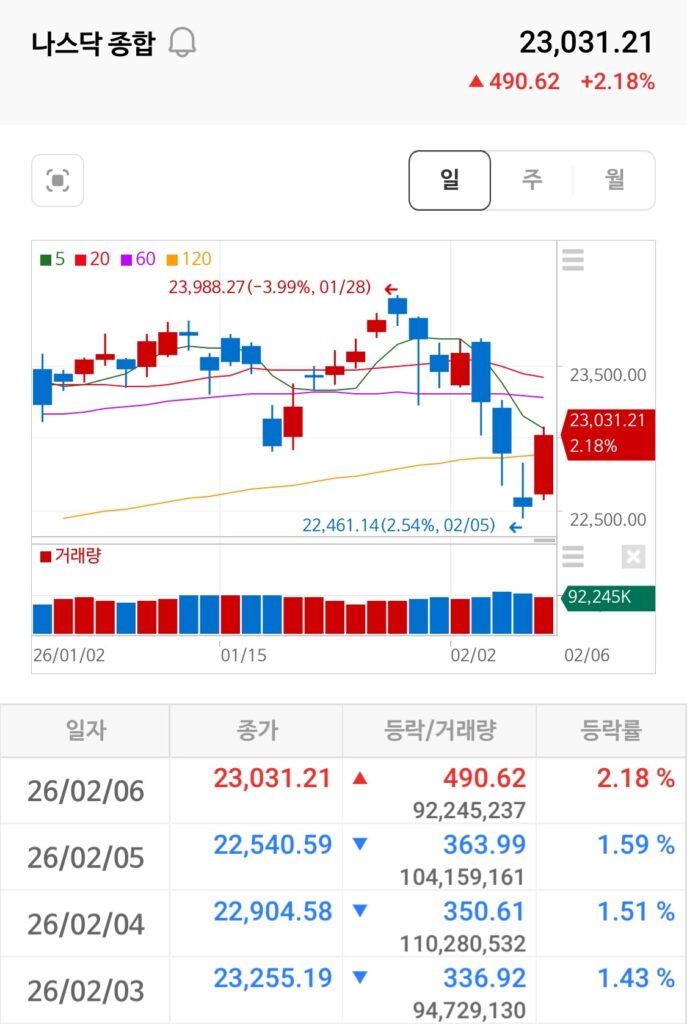
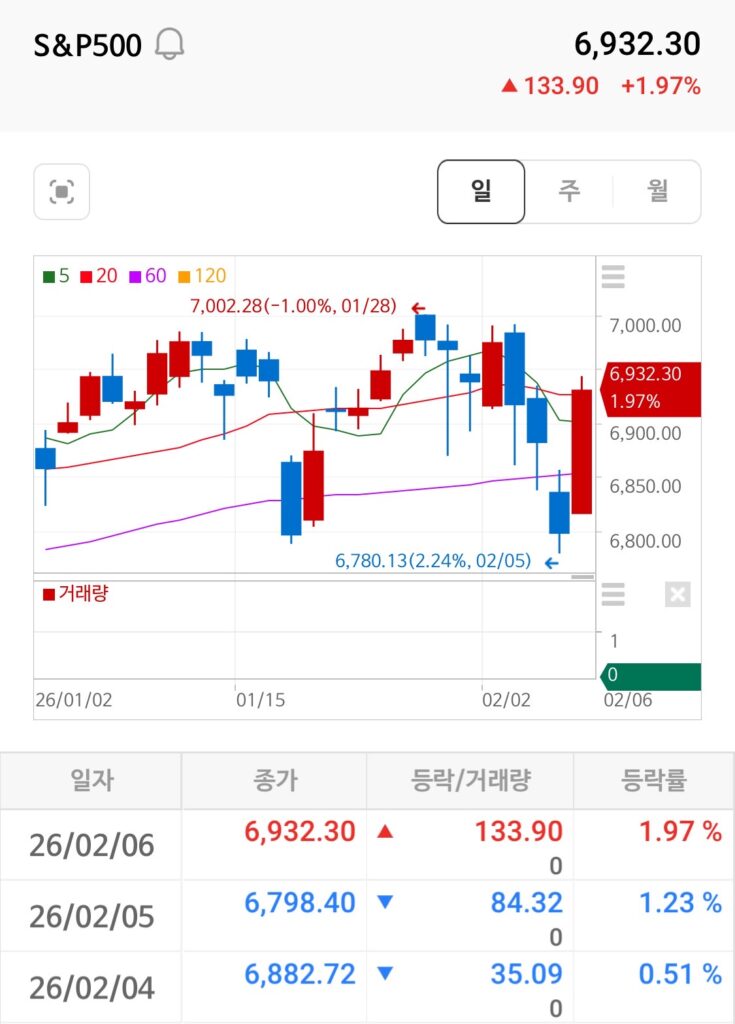
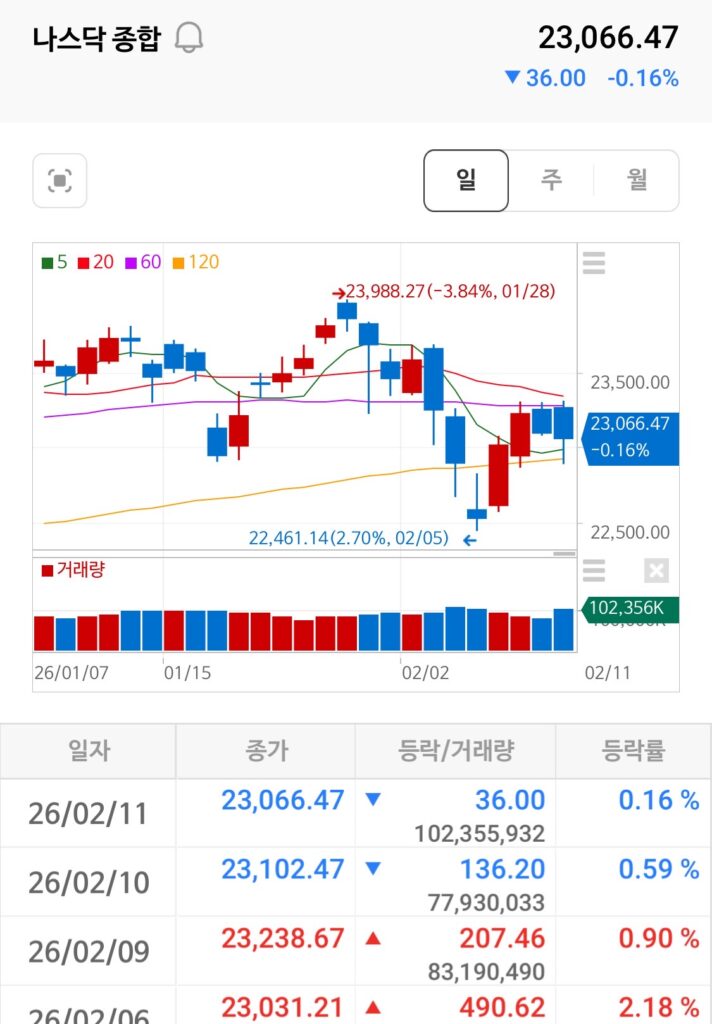
      Welcome to JSCC2020. Following the volatility of early February, the market delivered a resounding “V-shaped” recovery on February 6, 2026. The Nasdaq Composite surged +2.18%, reclaiming the psychological 23,000 level, while the S&P 500 rose +1.97%, edging closer to the historic 7,000 milestone.

      For international investors navigating the “Tomato System,” today provided a masterclass in why we diversify across three distinct pillars: Aggressive Leverage, Passive Index, and Defensive Income (Covered Calls). This 2,000-character deep-dive will break down the mechanics behind today’s profit recovery and how the “Cash Shield” protects your principal.

      📱 Notice: For the best viewing experience, please view the tables in landscape mode on your smartphone.

      🌐 Market Pulse: 3 Critical Drivers for February 2026

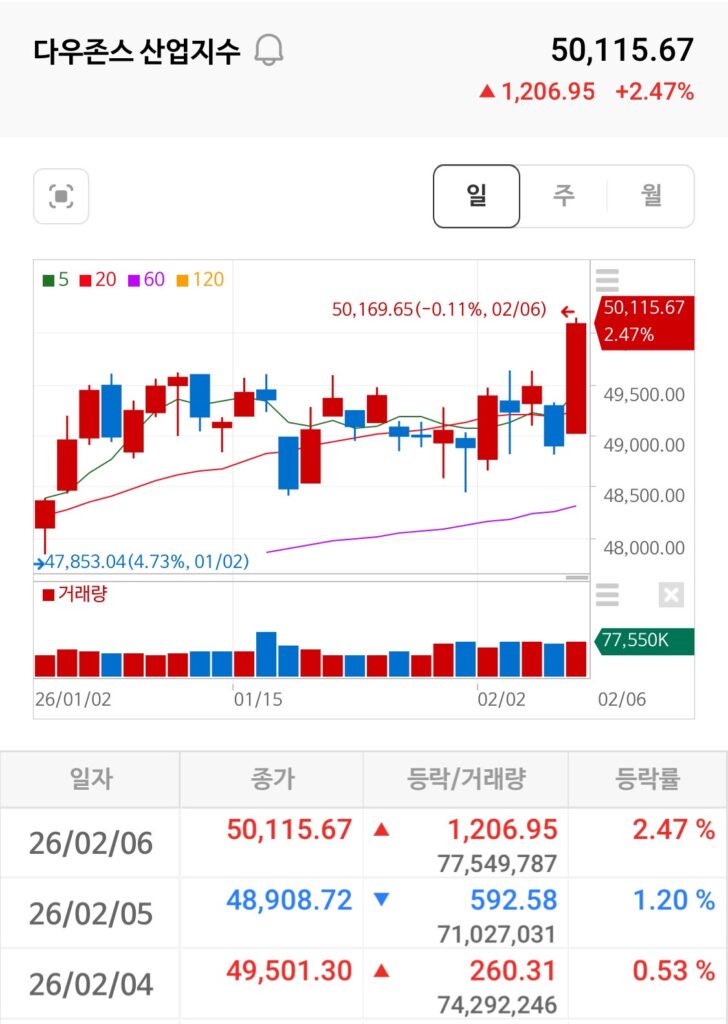
      1. Dow Jones Industrial Average Breakthrough: The Dow hit a historic high of 50,115.67 (+2.47%). This rally was spearheaded by strong Q4 earnings from blue-chip industrial and financial sectors, indicating a healthy rotation into value stocks. (Source: Bloomberg / CNBC)
      2. AI Infrastructure Spending Optimism: Despite recent Capex concerns from Alphabet and Amazon, fresh data suggests AI integration is finally improving enterprise productivity margins. This triggered a massive short-covering rally in the tech-heavy Nasdaq. (Source: Reuters / Wall Street Journal)
      3. Monetary Policy Stability: Fed Chair signals suggest a “higher-for-longer” stance but without further tightening. This neutral environment stabilized the 10-year Treasury yield, providing a solid foundation for growth assets. (Source: J.P. Morgan / Investing.com)

      📊 Comprehensive Performance Report (Feb 6, 2026)

      1. [Group: Nasdaq 100] Tech & Growth Focus

      TickerETF NameStrategyDaily ChgMy Return (P/L)
      QLDProShares Ultra QQQ2x Leverage+4.16%-4.38%
      QQQMInvesco Nasdaq 100Index+2.11%-2.03%
      GPIQGS Nasdaq 100 Core PremiumCovered Call+2.02%-2.25%
      JEPQJPMorgan Nasdaq PremiumCovered Call+1.97%-1.80%
      QQQINEOS Nasdaq 100 High IncCovered Call+1.98%-2.37%
      494300KODEX US Nasdaq100 DailyCovered Call-0.96%*-4.06%

      2. [Group: S&P 500] Market Core & Broad Exposure

      TickerETF NameStrategyDaily ChgMy Return (P/L)
      SSOProShares Ultra S&P 5002x Leverage+3.85%-1.45%
      SPYMSPDR S&P 500 PortfolioIndex+1.96%-0.47%
      GPIXGS S&P 500 Core PremiumCovered Call+1.77%-1.25%
      JEPIJPMorgan Equity PremiumCovered Call+1.49%+0.87%

      3. [Group: Others] Dividends, Bonds & Active

      TickerETF NameStrategyDaily ChgMy Return (P/L)
      SCHDSchwab US Dividend EquityDiv. Growth+1.61%+7.65%
      418660TIGER US Nasdaq 100 Lev2x Leverage-3.48%*-8.15%
      473460KODEX US Stock AntActive-3.32%*-11.03%
      473330SOL US 30Yr TreasuryCovered Call+1.09%*-0.96%
      490600RISE US Div 100 DailyCovered Call+0.05%*+1.88%

      *Note: K-ETFs reflect the previous day’s close. Expect a significant Gap-up at the Korean market open.

      🔍 Strategy Deep-Dive: Why This Balance Works

      1. The Recovery Engine: 2x Leverage Efficiency

      Today’s performance highlights the utility of QLD (+4.16%) and SSO (+3.85%). When the underlying index rises by ~2%, these instruments double that gain, allowing for rapid Net Asset Value (NAV) recovery. This “volatility harvesting” is crucial for investors who maintained their positions during the January dips. Without leverage, your recovery speed is halved, missing out on the exponential bounce-back of the tech sector.

      2. The Income Shield: Dividend Growth & Premiums

      SCHD remains our primary defensive anchor with a total return of +7.65%. Its decoupling from tech-sector volatility provides the stability needed to hold higher-risk assets. Simultaneously, covered call ETFs like JEPI and JEPQ generate monthly “rent” (dividends). Currently, our account shows 8 dividend payments totaling 2,495 KRW for February alone. This cash flow allows for “Buy the Dip” opportunities without selling existing shares at a loss.

      3. The K-ETF Opportunity (Arbitrage Alert)

      International investors should pay close attention to the Korean Market Open. Domestic ETFs like TIGER US Nasdaq 100 Lev (418660) are currently showing a technical decline of -3.48% from yesterday’s session. However, following the US market’s +4% rally in QLD, these K-ETFs are primed for a massive “Gap-up” surge at 9:00 AM KST. This time-zone lag often creates a psychological “false red” that clever investors use to their advantage.

      ❓ FAQ for Global Investors

      • Q: Why is my QLD still down -4.38% despite today’s +4.16% gain?
      • A: This is due to “Volatility Decay.” Leverage ETFs require a larger percentage gain to recover from a percentage loss (e.g., a 10% drop requires an 11.1% gain to break even).
      • Q: Is it wise to hold both QQQM and JEPQ?
      • A: Yes. QQQM captures maximum capital appreciation, while JEPQ provides high monthly income with lower volatility. This balance is the core of the Tomato System.
      • Q: What determines the “Daily Change” in my Korean ETFs?
      • A: It reflects the change from 09:00 to 15:30 KST. Since the US market opens later, the massive US gains you see tonight will only be reflected in the Korean market tomorrow morning.

      If you want more income from the same Nasdaq stocks, see how Korean-listed Nasdaq-100 covered call ETFs compare with JEPQ and QYLD.

    • [종목분석] 토마토시스템, 차마 매수 추천도 못 할 아픔이지만… 주주님들 화이팅입니다!

      안녕하세요, JSCC2020입니다.

      사실 오늘은 글을 시작하기 전부터 마음이 참 무겁습니다. 저 역시 포트폴리오의 상당 부분이 이 종목에 묶여 있고, 떨어지는 숫자를 볼 때마다 가슴 한구석이 아릿해 오는 것을 느낍니다. 오죽하면 **”이제는 누구에게 선뜻 매수 추천조치 못 하겠다”**는 주주님의 말씀이 제 마음을 그대로 대변하는 것 같아 눈시울이 붉어집니다.

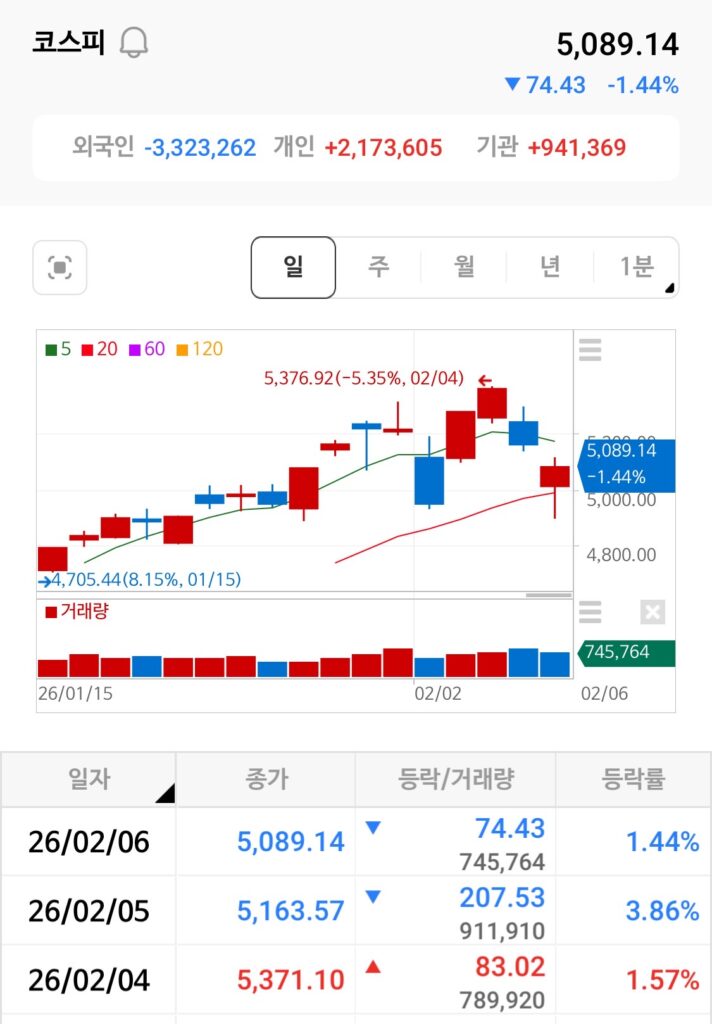
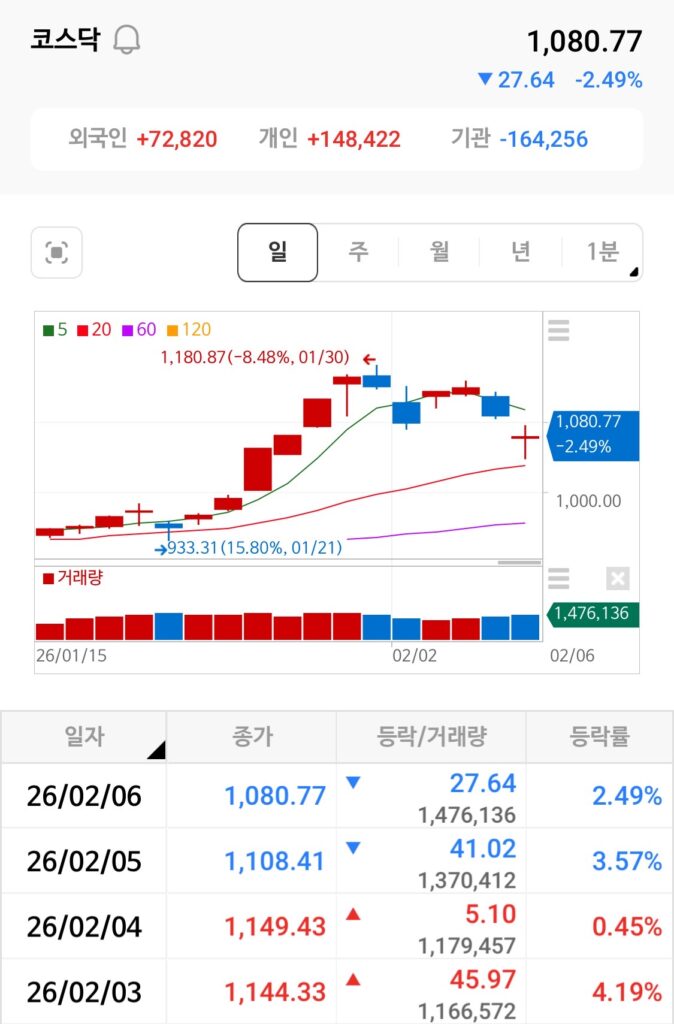
      코스피와 코스닥은 전고점을 뚫고 축제를 벌이는데, 우리 토마토만 소외되어 바닥을 기고 있는 이 현실. 하지만 우리 주주님들, 서로의 어깨를 토닥이며 조금만 더 힘을 내봅시다. 우리가 왜 이 ‘지독한 인내’를 선택했는지, 그리고 이 눈물 끝에 기다릴 결실을 다시 한번 냉정하게 정리해 보았습니다.

      1. 차트 속에 숨겨진 ‘개미의 진심’과 ‘세력의 흔적’

      차마 계좌를 열어보지 못할 정도로 주가는 밀려났지만, 차트 데이터는 여전히 우리에게 희망의 불씨를 보여줍니다.

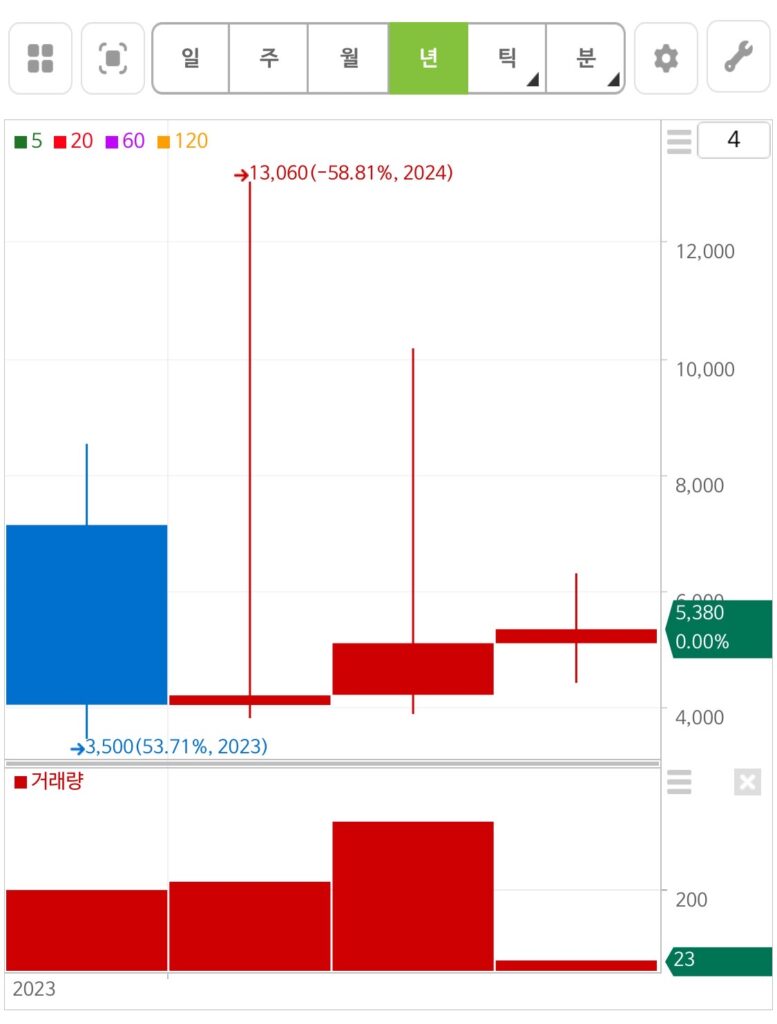
      • 매집의 흔적은 명확합니다: 2023년과 2024년, 바닥권에서 터진 거대한 거래량 기둥들을 보십시오. 엄청난 자금이 들어왔지만, 그만큼의 물량이 터지며 나간 흔적은 아직 보이지 않습니다. 즉, 큰손들도 우리와 함께 이 인고의 시간을 견디고 있다는 증거입니다.
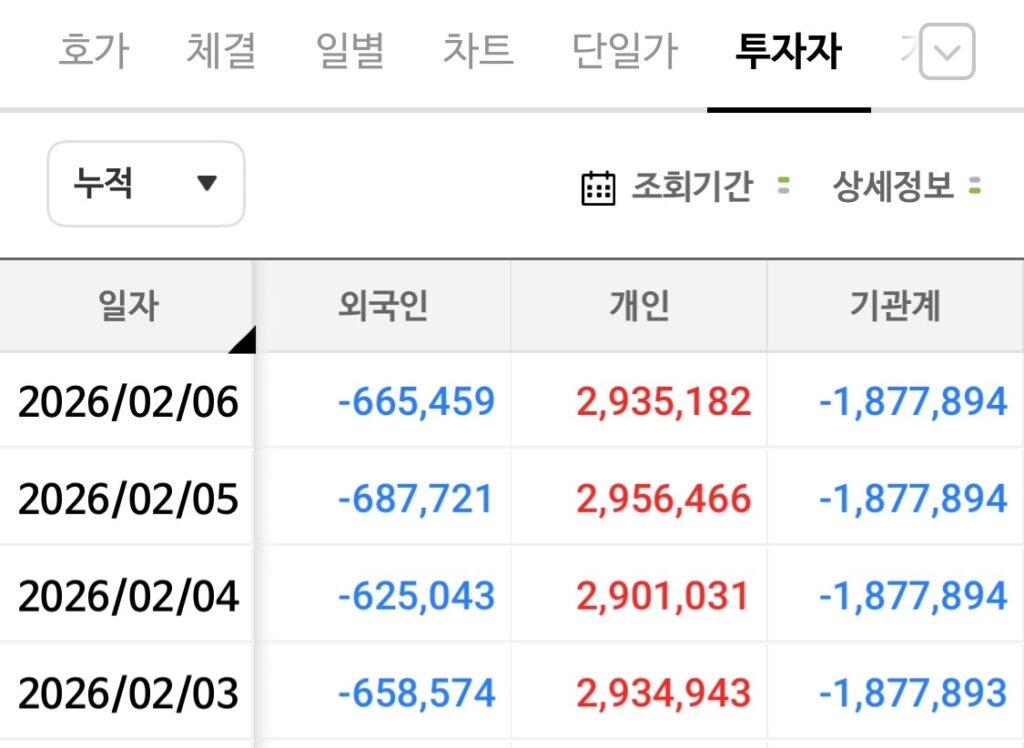
      • 지독한 수급의 엇박자: IPO 이후 기관과 외국인이 외면하는 사이, 오직 개인 투자자들만이 이 짐을 짊어지고 있습니다. 비록 지금은 그 무게가 너무 무거워 눈물이 나지만, 유통 물량이 확신 있는 개인들에게로 응축되는 과정은 폭발적인 반등의 전제 조건이 되기도 합니다.

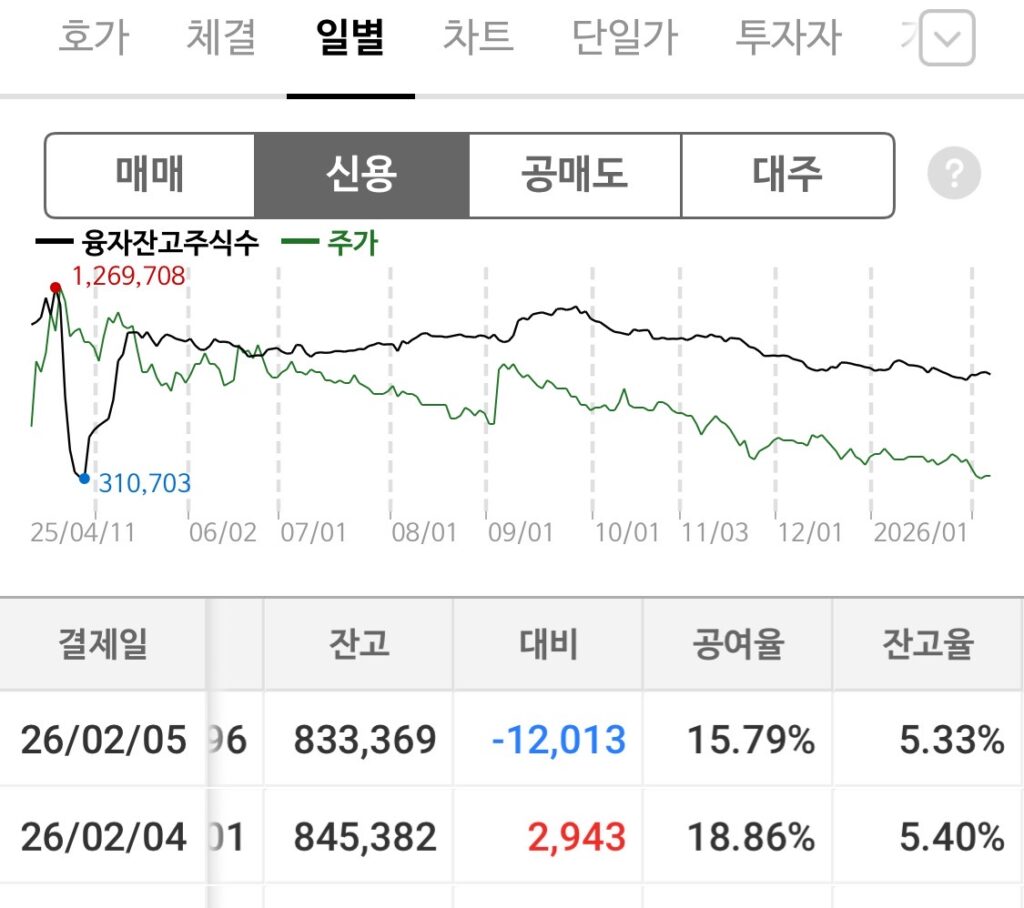
      다행이 신용? 공매도는 크게 늘지는 않네요.. 근데 이제 기관, 외국인은 없다고 봐야되지않을까 싶긴해요.. ipo이후 개인맘 순매수를….

      2. AWV 시범사업: 미국 메디케어 시장의 ‘럭키 비키’

      최근 발표된 디지털 AWV(연간 웰니스 방문) 서비스는 단순한 테마가 아닌 실질적인 생존 전략입니다.

      • 미국 6,500만 명의 시장: 메디케어 가입자들에게 필수적인 예방 의료 서비스를 디지털화하여 의료기관의 행정 부담을 획기적으로 줄였습니다. (출처: 머니투데이, 2026.02.05)
      • 보험사 플랫폼 선점: 최근 미국 텍사스 보험사와의 계약을 통해 ‘보험 플랫폼’ 자체를 장악하려는 시도는 고무적입니다. 이 시스템이 본 궤도에 올라 구독료 수익이 찍히기 시작하면, 시장은 비로소 토마토시스템의 진가를 재평가할 것입니다.

      3. ‘공공 보건’을 위한 우리의 위대한 희생(?)

      우리는 어쩌면 단순한 투자자를 넘어, 전 인류의 건강을 지키는 **’보건 요정’**들일지도 모릅니다.

      • 의료 소외 계층의 희망: 토마토시스템의 RPM(원격 환자 모니터링) 기술은 전 세계 의료 서비스의 문턱을 낮추는 핵심 기술입니다.
      • 수익률보다 값진 가치: 비록 우리 계좌는 -40%, -50%를 찍으며 멍들어 있을지언정, 우리가 버틴 이 자본이 누군가의 생명을 구하는 기술로 꽃피운다면 그것만으로도 우리는 위대한 일을 하고 있는 셈입니다. (물론, 우리 계좌도 얼른 건강해져야겠지만요!)

      4. 향후 전망: 용수철은 억눌릴수록 높이 튑니다

      현재 주가는 4,600~4,800원 선에서 지독한 바닥 다지기를 하고 있습니다.

      • 재무적 안정성: 대학 ERP 시장 1위라는 탄탄한 본업이 버티고 있으며, 최근 메리츠증권 등 대형 금융사의 외화관리시스템 수주 소식도 들려오고 있습니다. (출처: 알파스퀘어 이슈, 2026.02.04)
      • 실적 퀀텀 점프의 원년: 2026년은 미국 현지 법인 ‘사이버엠디케어’의 실적이 가시화되는 시기입니다.

      결론: 주주님들, 우리 끝까지 화이팅입니다!

      차마 남에게 사라고 권하지도 못할 만큼 힘든 구간임을 잘 압니다. 하지만 가치는 결국 가격을 찾아가게 마련입니다. 토마토시스템이 구축하는 글로벌 의료 플랫폼의 가치가 실적으로 증명되는 그날, 우리가 흘린 눈물은 환희의 미소로 바뀔 것입니다.

      인류 보건도 지키고, 우리 계좌도 꽉 잡는 그날까지! 우리 주주님들, 기운 내십시오. 우리는 반드시 승리합니다!

      당일 주요 이슈 요약 (2026.02.07)

      1. 미국 디지털 AWV 시장 공략: 6500만 명 메디케어 시장 타겟, 시범 테스트 본격화 (출처: 머니투데이)
      2. 메리츠증권 ‘엑스빌더6’ 최종 선정: UI/UX 플랫폼 경쟁력 입증 및 금융권 시장 지배력 강화 (출처: 알파스퀘어)
      3. 서일대 ‘학사성과관리시스템’ 착수: 대학 ERP 분야 부동의 1위 수성 (출처: 데일리한국)